Introduction
Cardiopulmonary Resuscitation (MOUTH-TO-MOUTH RESUSCITATION) is more than just a collection of upper body compressions and breaths; it's a life-saving skill that can be the difference in between life and death in emergency scenarios. The knowledge acquired from a first help course or CPR course can empower CPR Course Hobart individuals to react successfully when confronted with a cardiac arrest, choking case, or various other crucial emergency situations. This post explores the real-life applications of mouth-to-mouth resuscitation, highlighting its value and the influence of training on saving lives.
Real-Life Applications of CPR: When Educating Conserves Lives
Understanding CPR
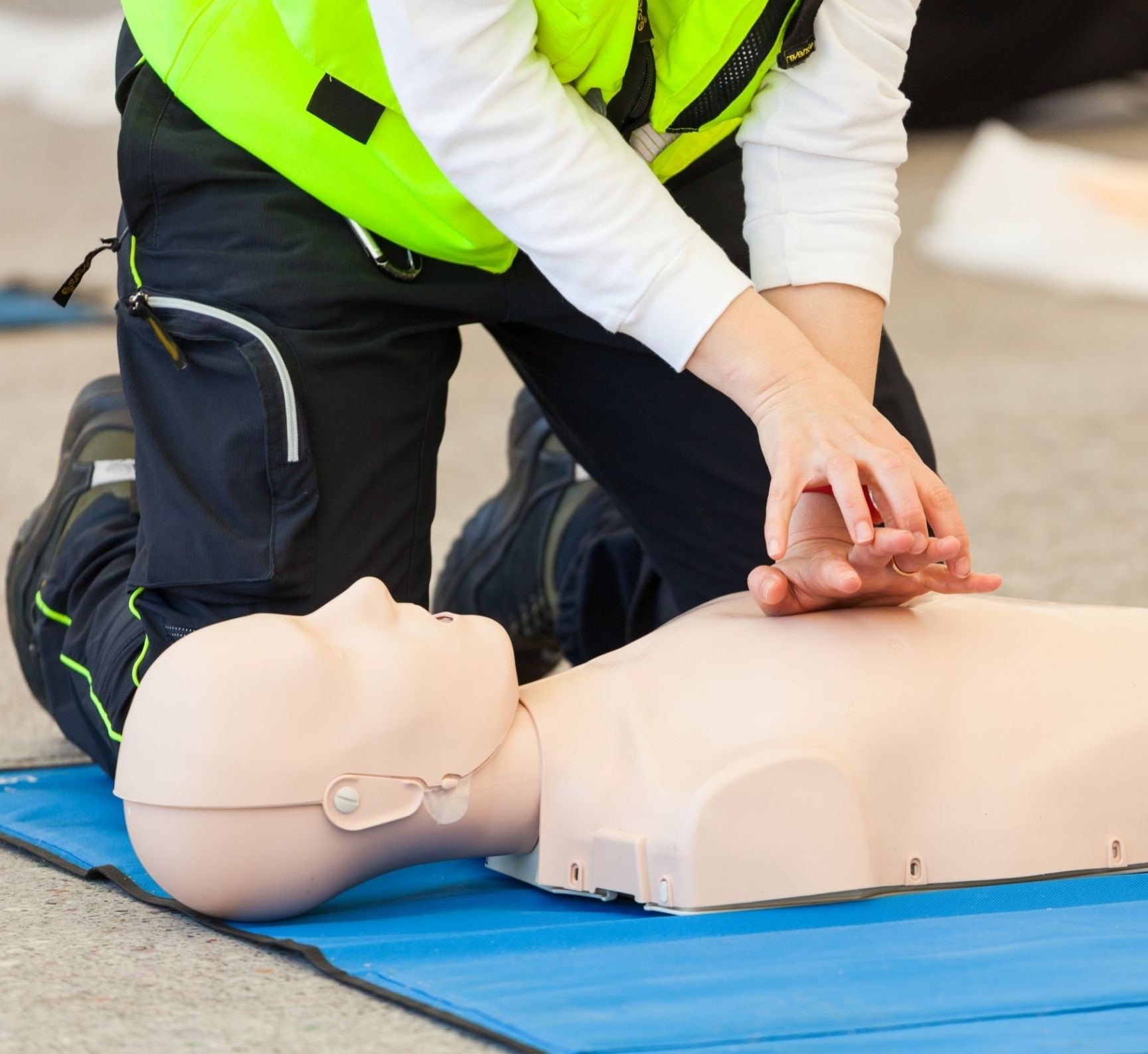
CPR is an essential emergency situation treatment utilized to maintain brain function until further procedures are taken to recover spontaneous blood circulation and breathing. It involves two elements:
Chest Compressions: These imitate the heart's pumping action to maintain blood flow. Rescue Breaths: These provide oxygen to the lungs, crucial for survival.The performance of mouth-to-mouth resuscitation significantly enhances when performed instantly after cardiac arrest. Studies show that prompt CPR can double or triple the possibilities of survival for victims.
Importance of Emergency treatment Courses
First help courses outfit individuals with essential skills beyond CPR, including wound treatment, identifying strokes, and handling fractures. By taking part in these programs, you're not just learning more about emergencies; you're preparing yourself to act emphatically when it matters most.
Key Components of First Aid Courses
- Basic Life Support (BLS): Covers grown-up, kid, and baby mouth-to-mouth resuscitation techniques. Choking Relief Techniques: Consists of back blows and abdominal thrusts. Wound Monitoring: How to clean and dress injuries properly. Recognizing Emergencies: Understanding when to call for assistance versus dealing with a circumstance independently.
The Function of mouth-to-mouth resuscitation in Heart Attack Situations
Every year, numerous thousands experience heart attack outside hospitals. Without immediate intervention, the survival rate goes down dramatically every minute that passes without CPR.
Statistics on Heart attack Survival Rates
|Time Without CPR|Survival Price (%)|| ------------------|-------------------|| 1 Minute|90|| 5 Minutes|50|| 10 Minutes|10|
Source: American Heart Association
Being learnt CPR guarantees that bystanders can action in with confidence during these vital moments.
Real-Life Case Studies Showing Successful Mouth-to-mouth Resuscitation Application
Case Study 1: The Quick-Thinking Bystander
In a bustling coffee shop one sunny afternoon, a specific collapsed due to cardiac arrest. A close-by restaurant who had actually finished a first aid and mouth-to-mouth resuscitation course jumped into activity. They started administering upper body compressions while another client called 911. Within mins, paramedics got here and utilized an Automated External Defibrillator (AED), ultimately restoring the patient.
Case Research study 2: Workplace Emergency
During a company training occasion, an employee unexpectedly dropped subconscious. The good news is, several colleagues were certified in both emergency treatment courses and innovative life support methods. Their quick action consisted of calling emergency services while doing top quality CPR up until aid arrived.
Why Take part in mouth-to-mouth resuscitation Courses?
CPR courses offer hands-on training that develops confidence in your capabilities throughout emergency situations. Below are some engaging factors to enlist:
Life-Saving Abilities: You discover how to conserve lives. Boost Self-confidence: Practical works out aid seal your skills. Certification Opportunities: Lots of programs provide certifications upon completion. Community Impact: Educated individuals contribute positively to culture by being ready for emergencies.What Are the Different Kinds Of Mouth-to-mouth Resuscitation Courses Available?
When considering which training program suits your requirements best, it is very important to understand the numerous sorts of available training courses:
Basic Adult/Child/Infant CPR Course
This program concentrates on age-specific techniques customized for adults, youngsters, and infants with detailed hands-on practice on mannequins.
Advanced Cardiovascular Life Assistance (ACLS)
Geared toward healthcare experts, ACLS builds on fundamental life assistance skills with innovative treatments like medication administration and advanced respiratory tract management.
Pediatric Advanced Life Support (CHUMS)
Designed for doctor who take care of seriously sick babies and kids; buddies includes situations specific to pediatric emergencies.
Online vs In-Person Training
Many organizations now use on-line modules which can supplement conventional class knowing however do not replace hands-on method necessary for mastering abilities like breast compressions.
Benefits of Having an Emergency Treatment Certificate
Obtaining a first aid certification demonstrates your dedication to safety and readiness in numerous atmospheres-- whether in the house or job-- boosting both professional trustworthiness and individual assurance when emergencies arise.
Career Advantages
Having qualification can boost employability in fields such as education, healthcare markets, health and fitness training industries where security is paramount.
Common Misconceptions Concerning CPR
It's necessary to resolve myths bordering this crucial capability:
Myth # 1: "Only Clinical Professionals Ought To Execute CPR"
Fact: Anyone can execute fundamental life-saving methods if trained properly; you don't need medical expertise!
Myth # 2: "You Can Harm Someone by Executing mouth-to-mouth resuscitation"
While it's true there's some risk involved-- it's far surpassed by the potential benefits when done correctly!
Myth # 3: "CPR Is Just Required For Adults"
Children additionally call for prompt interventions; thus understanding pediatric techniques is equally vital!

FAQs Concerning Real-Life Applications of CPR
FAQ 1: What should I do if I see a person collapse?
If you witness someone collapse:
- Check responsiveness Call emergency services Begin carrying out CPR quickly if they reveal no indicators of breathing
FAQ 2: How usually ought to I renew my certification?
Most companies advise restoring your emergency treatment certificate every 2 years as a result of evolving standards and practices.
FAQ 3: Can I learn mouth-to-mouth resuscitation online?
While online courses supply valuable details, hands-on method is necessary for mastering abilities effectively-- try to find hybrid options if possible!
FAQ 4: What are some tips for carrying out reliable breast compressions?
Aim for:
- A depth of a minimum of two inches A price around 100-120 compressions per minute Allow full recoil in between compressions without raising hands off the breast
FAQ 5: Do I need special devices for executing rescue breaths?
No special equipment is needed! However utilizing obstacle gadgets like face guards can boost security while giving rescue breaths if available.
Browse around this siteFAQ 6: What duty does AED play along with CPR?
Automated External Defibrillators analyze heart rhythm & & suggest whether shocks are needed which significantly raises opportunities of survival when used together with high-grade chest compressions!

Conclusion
The real-life applications of mouth-to-mouth resuscitation are undeniable; they prolong much beyond academic knowledge into actual circumstances where lives are conserved through definitive actions taken by qualified individuals. Signing up in a detailed first help course or attending specialized CPR courses outfits you with invaluable skills that could make all the distinction during an emergency circumstance-- not just profiting others however empowering yourself also! The time spent today prepares you for whatever tomorrow may bring-- and isn't that something worth considering?